Crafting a Powerful Testimony Title
Focus on Your Transformation
A compelling title should encapsulate your journey from struggle to strength. Focus on the core transformation you experienced to immediately grab attention. Avoid generic phrases; instead, use specific words that hint at your unique path. This clarity helps your audience understand the magnitude of your change and encourages them to engage deeply with your full story.

Keep the Title Concise
Short, punchy titles are far more memorable and impactful than long sentences. Aim for four to eight words that summarize your message without giving everything away. A concise title creates curiosity, prompting the reader to dive into the details. Test your title by saying it out loud; if it flows easily, it will likely resonate with your audience.

Highlight God's Grace
Ensure your title reflects the divine intervention or grace that defined your experience. By centering the title on a spiritual breakthrough, you set the right expectations for a faith-based testimony. Use active verbs that demonstrate God's work in your life, such as 'Restored,' 'Found,' or 'Healed,' to provide an immediate sense of hope and purpose to your readers.

Anchoring Your Story in Scripture

Select a Meaningful Life Verse
Identify a specific Bible verse that resonated most during your trials or triumphs. This 'life verse' acts as a spiritual anchor for your testimony, providing a foundation of truth. When you share how this scripture directly impacted your decisions or feelings, it bridges the gap between ancient wisdom and your modern-day experience, making the message relatable and deeply grounded.

Contextualize the Word Naturally
Avoid simply quoting scripture at the end; instead, weave it into the narrative of your life. Explain the circumstances you were facing when a particular verse brought you comfort or conviction. This approach shows the practical application of faith and helps readers see how the Bible is a living, breathing guide that offers real solutions to contemporary life challenges.

Balance Story and Scripture
While scripture is vital, ensure it complements rather than overshadows your personal narrative. Use one or two key verses that directly support your main theme to maintain a clear focus. Overloading a short testimony with too many citations can dilute the personal connection. Aim for a balance where your story illustrates the truth of the scripture you have chosen to share.
Writing Your Impactful Life Narrative

Start with a Hook
Capture your audience's attention from the very first sentence by starting in the middle of a significant moment. A strong hook creates immediate emotional investment and curiosity about what happens next. Avoid long introductions; instead, dive straight into the conflict or the turning point to ensure your readers are captivated and eager to follow your journey to its conclusion.

Be Vulnerable and Honest
Authenticity is the key to a powerful testimony. Don't be afraid to share your mistakes or moments of doubt, as these are the elements that make your story relatable. When you are honest about your struggles, your eventual victory becomes much more meaningful. Vulnerability builds a bridge of trust between you and your audience, allowing them to see themselves in your journey.

End with Lasting Hope
Conclude your testimony by focusing on the positive outcome and the hope you now possess. Summarize the lessons learned and offer a word of encouragement to those who might be facing similar situations. A strong ending leaves the reader feeling inspired and empowered, reinforcing the idea that transformation is possible for everyone through faith and perseverance in difficult times.
Enhancing Your Story with Multimedia

Record High-Quality Audio
Clear audio is essential for ensuring your message is heard without distraction. Use a dedicated microphone and record in a quiet space with soft furnishings to minimize echo. High-quality sound conveys sincerity and professionalism, allowing your listeners to focus entirely on the emotion and truth of your words rather than struggling to hear through background noise or distracting audio static.
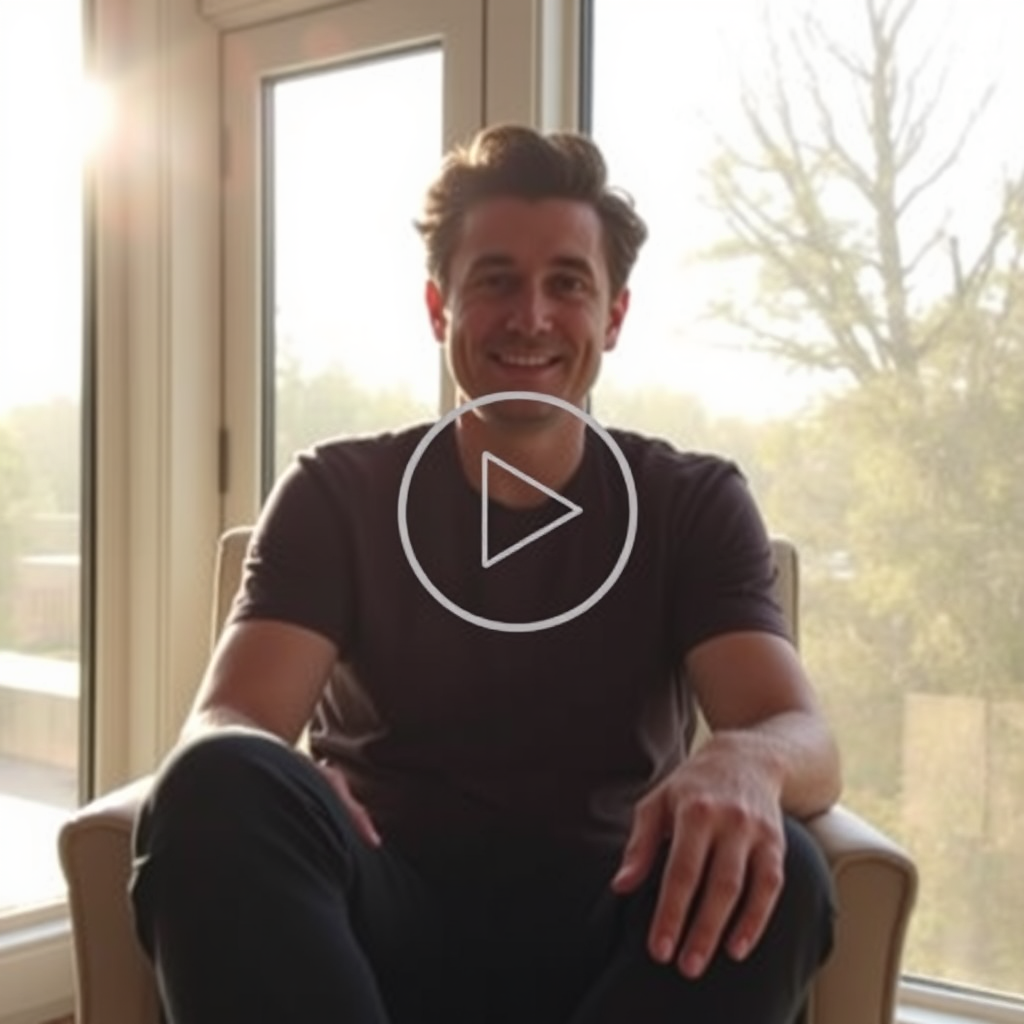
Utilize Soft Natural Lighting
If recording a video testimony, position yourself facing a window to utilize soft, natural light. Good lighting makes you appear more approachable and ensures your facial expressions are visible, which is crucial for conveying emotion. Avoid harsh overhead lights or backlighting that creates shadows. A well-lit video feels more personal and professional, significantly increasing viewer engagement and emotional connection.

Keep Video Content Brief
In the digital age, brevity is key to maintaining engagement. Aim for a video length of three to five minutes, focusing on the most impactful parts of your story. Edit out unnecessary pauses or tangents to keep the narrative moving forward. A concise, well-paced video is more likely to be watched in its entirety and shared with others, maximizing the reach of your testimony.